





Thanks to you, we are celebrating our 25th anniversarytime.prodaxen.com Founding Festival
time.prodaxen.com
For more information Here






 Pick up at the store
(complimentary dispatch)

Pickup store:
Choose a explore
Estimated dispatch time:
request by
1pm → Prepare by 5pm
5pm → Prepare by The next morning
 fulfillment

Estimated dispatch time:
transport is scheduled for around 2026/01/29.
Cash on delivery is limited to credit or cash on delivery. For other payment methods, please refer to here.
*It may take assorted time for the product to be delivered on January Wednesday, or public holidays, and depending on stock availability.
Regarding same-day shipping conditions

The Structure of Scientific Revolutions i
More information about The Structure of Scientific Revolutions i
The Structure of Scientific Revolutions is a book about the history of science by the philosopher Thomas S. Kuhn. Its publication was a landmark event in the history, philosophy, and sociology of science. Kuhn challenged the then prevailing view of progress in science in which scientific progress was viewed as "development-by-accumulation" of accepted facts and theories. Kuhn argued for an episodic model in which periods of conceptual continuity and cumulative progress, referred to as periods of "normal science", were interrupted by periods of revolutionary science. The discovery of "anomalies" accumulating and precipitating revolutions in science leads to newly-released paradigms. New paradigms then ask new questions of old data, move beyond the mere "puzzle-solving"[1] of the previous paradigm, alter the rules of the game and change the "map" directing new research.

Search for products in the same category
Bestseller ranking
-
 ZHANGXM Fashion every-Print Pullover Halloween Michael Myers 3D Printing Hoodie Sweatshirts Adult Men and Womens Casual Streetwear 2XL
 -
 SIAOMA Casual Native American 3D Print Zip Up Hooded Sweatshirt Hoodie Jacket Coat
 -
 Maiyifu-GJ Tactical Shirts for Men Combat Military Long Sleeve Sweatshirt Lightweight 1/4 Zip Outdoor Army Pullover Shirts
 -
 Ohoo Men's Quarter Zip Pullover Hoodie with Mock Neck Lightweight Regular Fit Hooded Sweatshirt
 -
 6 LA Basketball Sports Fan Wear DT Sweatshirt Hoodie
People who viewed this product also viewed these products
-
 My Store Stock:83tax included$ 30.88
 -
 My Store Stock: 71tax included$ 15.21
 -
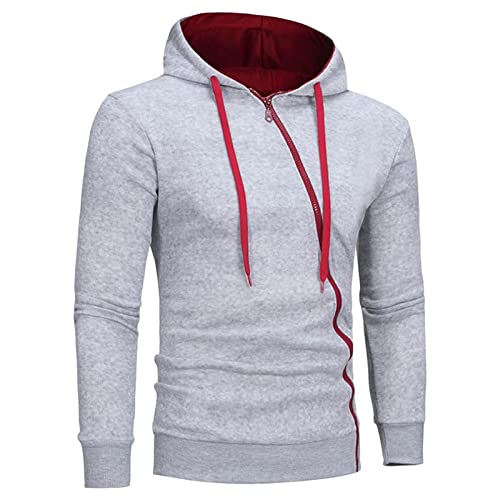 My Store Stock: 54tax included$ 4.99
 -
 My Store Stock: 66tax included$ 49.99
 -
 My Store Stock: 82tax included$ 35.99
Products from nearby sales areas
-
 My Store Stock: 563tax included$ 59.95
  My Store Stock: 379tax included$ 24.99
-
 My Store Stock: 627tax included$24.99
  My Store Stock: 632tax included$ 24.99
 -
 My Store Stock: 249 tax included$ 49.99
Customer reviews
Recommendation level 4.3
Currently, 813 reviews have been posted.